EN
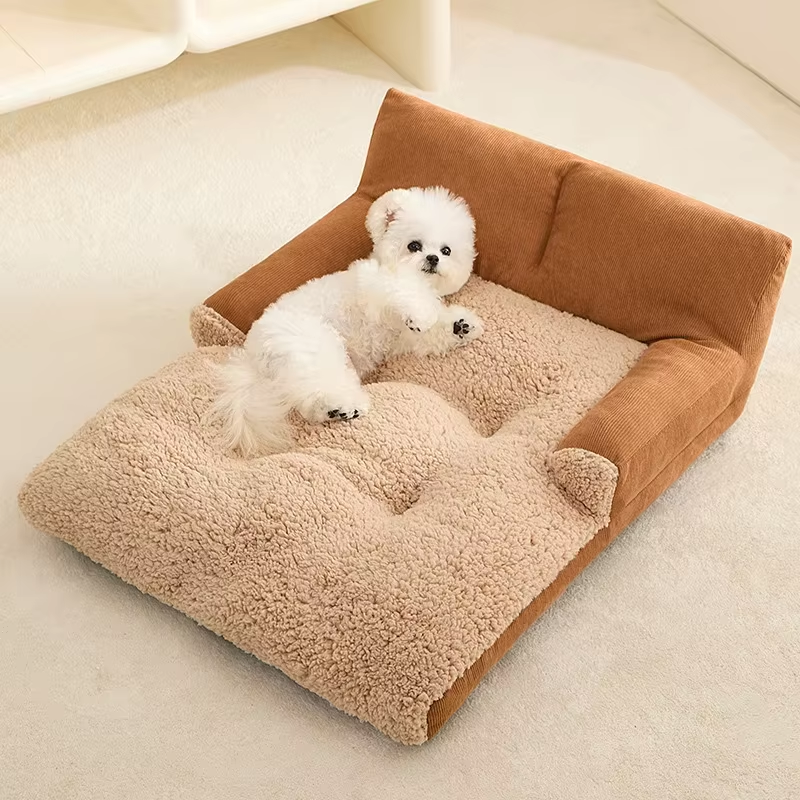
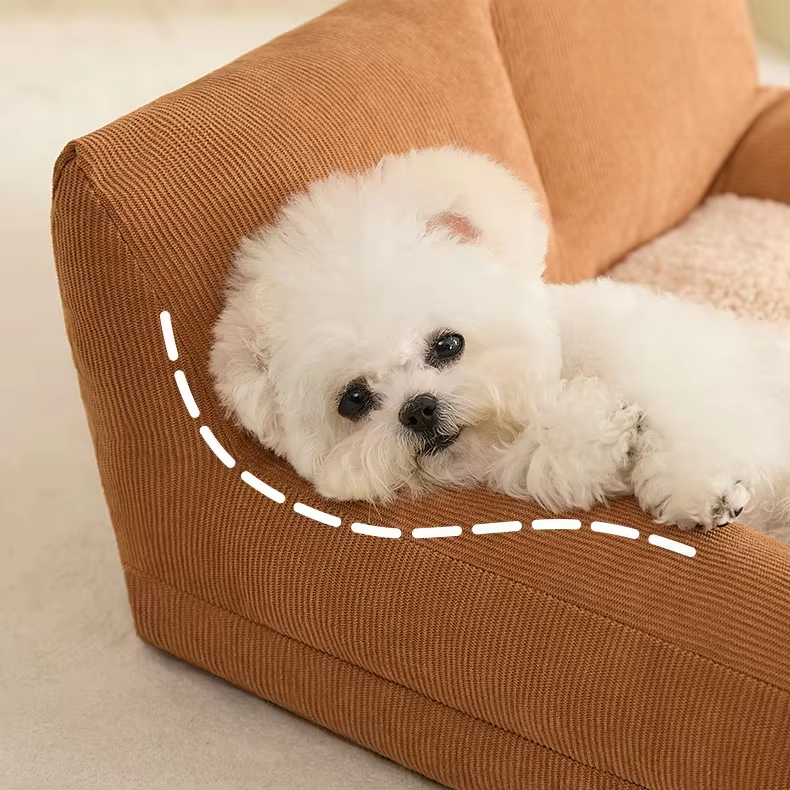
A good pet bed is more than just a soft spot for your furry friend to rest it’s a space where they feel safe secure and comfortable. As someone who has raised two dogs and three cats over 12 years I’ve made my share of mistakes when choosing pet beds. I once bought a cute small bed for my growing Labrador puppy thinking it would last but within six months he was curled up on the floor because the bed was too tiny. That experience taught me how crucial size is when it comes to a pet bed. According to the American Veterinary Medical Association (AVMA) 70% of pets suffer from discomfort due to ill fitted beds which can lead to joint pain or poor sleep quality. With so many options on the market it’s easy to get overwhelmed but focusing on size tailored to your pet’s breed age and sleeping habits can make all the difference. This guide will help you navigate the process with practical tips real life examples and expert advice.
Why Size Matters for a Pet Bed
Choosing the correct size for a pet bed directly impacts your pet’s physical health and emotional well being. A bed that’s too small forces your pet to curl up tightly which can strain their joints muscles and spine over time. Small breeds like Chihuahuas or Persian cats might feel cozy in a compact bed but even they need enough space to stretch slightly. Medium breeds such as Cocker Spaniels or British Shorthairs require a bed that lets them lie on their side with legs extended. Large breeds like Great Danes or Maine Coons need extra room to spread out without hanging off the edges. My neighbor’s Great Dane suffered from hip pain until she swapped his undersized bed for a large orthopedic model now he sleeps soundly through the night. Dr. Lisa Carter a certified animal behaviorist explains Pets spend 12 to 14 hours a day sleeping so their bed needs to support their body properly. A bed that’s too big can make small pets feel exposed while one that’s too small causes physical stress. She adds that the right size pet bed also helps reduce anxiety as pets naturally seek enclosed or appropriately sized spaces for security.
How to Measure Your Pet for the Perfect Bed Size
Measuring your pet correctly is the first step to finding the right size pet bed. Start by measuring your pet from the tip of their nose to the base of their tail when they are in a relaxed standing position. Then add 10 to 15 centimeters to that length to get the minimum bed length needed. For width measure your pet across the shoulders or hips whichever is wider and add 5 to 10 centimeters. If your pet likes to curl up add a little less space but if they stretch out fully add more. I have a Maine Coon cat who loves to spread out so I measured him while he was napping stretched on the couch. Adding 15 centimeters to his length and 10 to his width helped me find a bed where he can lie comfortably without his paws hanging over. For dogs that like to lean against walls or furniture consider a corner bed that fits their size while maximizing space. The Pet Products Association (PPA) recommends measuring your pet twice especially if they are still growing to ensure the bed will last. Puppies and kittens should be measured based on their expected adult size to avoid needing frequent replacements.
Matching Bed Size to Your Pet’s Sleeping Style
Your pet’s sleeping habits are just as important as their measurements when choosing a pet bed size. Some pets are curl up sleepers while others are sprawlers and some love to burrow or lean against something. Curl up sleepers like Pomeranians or Siamese cats can thrive in a smaller round or oval bed that gives them a sense of security. Sprawlers such as Labradors or Ragdolls need a large rectangular bed that accommodates their stretched out posture. My Beagle is a sprawler and for years he struggled with a medium sized bed until I upgraded to a large rectangular one now he sleeps with his legs outstretched and no longer wakes up sore. Burrowing pets like Dachshunds or Scottish Folds might prefer a cave style bed that’s slightly larger than their measurements to fit blankets or toys inside. Leaners like Greyhounds or Bengals benefit from a bed with raised sides or a bolster that supports their head and shoulders. According to a study by the Animal Wellness Foundation pets that sleep in beds matching their sleeping style have 40% better sleep quality and are more energetic during the day.
Common Mistakes to Avoid When Choosing a Pet Bed Size
Many pet owners make simple mistakes when selecting a pet bed size that can affect their pet’s comfort. One common error is buying a bed based on the pet’s current size without considering growth. Puppies and kittens grow quickly and a bed that fits them as babies will be too small in just a few months. I made this mistake with my first puppy a Golden Retriever and ended up buying three beds in a year. Another mistake is assuming that a larger bed is always better but small pets can feel anxious in an overly big space. My friend’s Chihuahua refused to use a large bed because it made her feel vulnerable she only started sleeping in a bed when they got her a small cozy one. Ignoring your pet’s sleeping style is another misstep buying a compact bed for a sprawler or a large bed for a curl up sleeper will lead to the bed being unused. Additionally not accounting for extra space if your pet likes to share the bed with toys or other pets can be a problem. The International Association of Animal Behavior Consultants (IAABC) advises pet owners to observe their pet’s sleeping habits for a week before purchasing a bed to ensure the size matches their needs. Always check product dimensions and read reviews from other owners of the same breed to get a better idea of what works.