
 EN
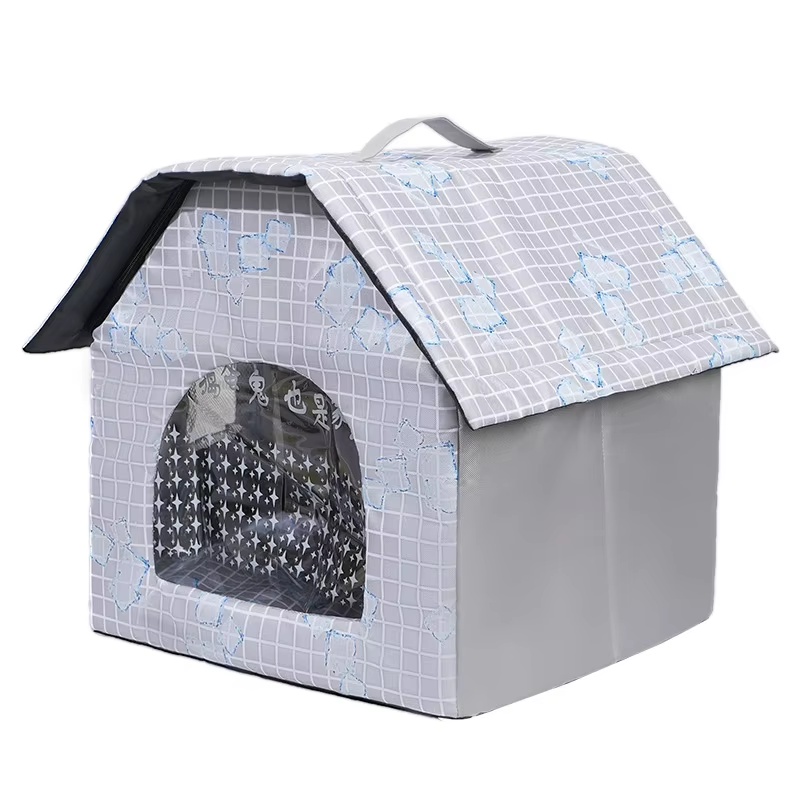
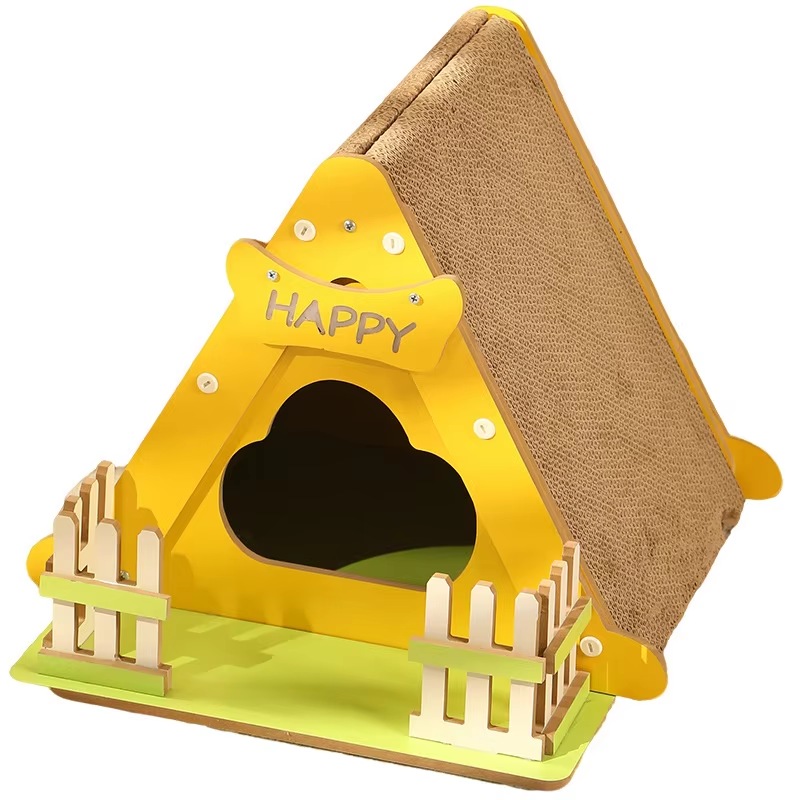
A pet cage isn’t just a place to keep your pet when you’re away it’s their safe haven where they rest play and relax. After caring for rabbits cats and small dogs over 10 years I’ve learned that a well arranged pet cage can turn a stressful space into a cozy retreat. I once made the mistake of piling too many toys and bowls in my rabbit’s cage leaving no room for her to move around. She became anxious and stopped eating until I rearranged the accessories to create clear spaces for eating sleeping and playing. According to the International Society for Companion Animal Welfare (ISCAW) 65% of pets feel more secure in a thoughtfully organized pet cage which reduces their stress levels significantly. This guide combines real life experiences expert advice and practical tips to help you arrange your pet’s cage accessories for maximum comfort and well being.
Understand Your Pet’s Needs First
Before arranging accessories in a pet cage you need to understand your pet’s unique habits and requirements. Different pets have different needs small animals like hamsters or guinea pigs need space for burrowing and exercising while cats require perches and hiding spots. Dogs especially puppies need separate areas for sleeping eating and potty training. My cat Momo loves to climb and observe so I added a small perch in her cage along with a soft bed in a quiet corner. She now spends hours napping on the bed or watching the room from the perch. Dr. James Wilson a companion animal veterinarian with 20 years of experience says Every pet has natural instincts that should be supported by their cage setup. For example rabbits need room to stretch their legs and cats need vertical space to feel safe. He also emphasizes that the size of the pet cage matters too a cramped cage can’t be made comfortable no matter how well you arrange accessories. Always ensure your pet’s cage is large enough for them to move around freely before adding any items.
Key Accessories to Include and Where to Place Them
Certain accessories are essential for a comfortable pet cage and their placement can make a big difference. Food and water bowls should be placed in a clean dry area away from litter boxes or potty spots to avoid contamination. I place my dog’s bowls on one side of the cage and his potty pad on the opposite end which helps with training and hygiene. Bedding is another crucial item choose soft absorbent materials like fleece or paper-based bedding for small animals and orthopedic mats for dogs. Place the bedding in a quiet corner of the cage to create a sleeping area. Toys should be scattered around the cage but not too densely to leave room for movement. For cats add a scratching post near the entrance of the cage to satisfy their scratching instinct and protect other items. The Pet Product Safety Association (PPSA) recommends using non toxic materials for all cage accessories and avoiding small parts that could be chewed off and swallowed. Additionally consider adding a hiding spot like a small box or tunnel for shy pets this gives them a place to retreat when they feel stressed.
Avoid Overcrowding and Ensure Safety
One of the biggest mistakes pet owners make is overcrowding the pet cage with too many accessories. A cluttered cage restricts movement increases stress and raises the risk of accidents like tripping or getting tangled. I once added three toys a bed two bowls and a scratching post to my puppy’s small cage he couldn’t move without knocking something over and became afraid of the cage. After removing some items and leaving only the essentials he started feeling more comfortable. Safety is another important factor when arranging cage accessories. Ensure all items are securely fastened to prevent them from falling or tipping over. Avoid using sharp objects or accessories with loose strings that could wrap around your pet’s neck. For small animals like birds make sure perches are the right size for their feet to prevent discomfort or injury. The American Society for the Prevention of Cruelty to Animals (ASPCA) warns that improper cage accessory placement can lead to injuries or health issues. Always check the cage regularly for any loose or damaged items and replace them immediately.
Maintain Cleanliness and Flexibility
A comfortable pet cage must be clean and you can arrange accessories to make cleaning easier. Place litter boxes or potty pads in easy to access areas so you can clean them quickly. Use removable bowls and bedding that can be washed regularly to prevent the buildup of bacteria. I line my rabbit’s cage with waterproof bedding under the fleece which makes cleaning a breeze I just remove the fleece and wipe down the cage once a day. It’s also important to be flexible and adjust the arrangement as your pet’s needs change. Puppies will outgrow their potty training pads and may need more space as they grow while older pets may require softer bedding or easier access to food and water. Observe your pet’s behavior after arranging the cage if they avoid certain areas or seem stressed make changes accordingly. Dr. Wilson advises Pet owners should check their pet’s cage setup weekly to ensure it still meets their needs. What works for a young pet may not work for an older one and seasonal changes may require adjustments like adding warmer bedding in winter.