
 EN
Pre‑installation Preparation and Site Selection
Before you start installing a cat tree, proper preparation and location planning are the first steps to ensure long‑term stability and safety. Based on over 15 years of experience in designing and manufacturing pet products, we have found that many stability problems come not from the cat tree itself, but from poor site selection and incomplete preparation. Pet behavior experts and product safety engineers both emphasize that a suitable installation area can reduce structural stress by more than 40% and lower the risk of tipping during jumping and climbing.
You should choose a flat, hard‑floored area away from sharp objects, heat sources, and fragile items. Avoid soft carpets or uneven ground that may cause the base to wobble. Measure the available height and width to make sure your cat tree fits without leaning against unstable furniture. Our cat tree products are designed with a heavy, balanced base to enhance stability, but they still need a level surface to perform best. We suggest clearing the space and preparing basic tools before assembly. Taking these steps seriously helps create a secure and fun space for cats to play and rest.
Step‑by‑step Assembly for Structural Stability
Correct step‑by‑step assembly is critical to keep a cat tree sturdy and safe during daily use. Many cat owners make the mistake of partially tightening screws or skipping parts, which leads to wobbling and even collapse after a few weeks. Our technical team follows strict 7‑step pet‑safety quality control, and we recommend the same careful approach during home installation.
Lay out all parts and check for any damage or missing pieces. Follow the instructions to attach the base first, as it forms the foundation of the whole cat tree. Tighten all connectors gradually and evenly instead of fully tightening one before others. This balanced method ensures even pressure distribution and prevents frame deformation. Our cat tree uses reinforced connection points and durable materials that meet ISO 9001, BSCI, and FDA standards, so they can withstand repeated jumping and scratching. Many of our brand partners have reported that cats use our cat trees for years without structural issues when assembled correctly. Proper assembly turns a reliable cat tree into a truly safe playground for pets.
Base Stability and Anti‑tip Optimization
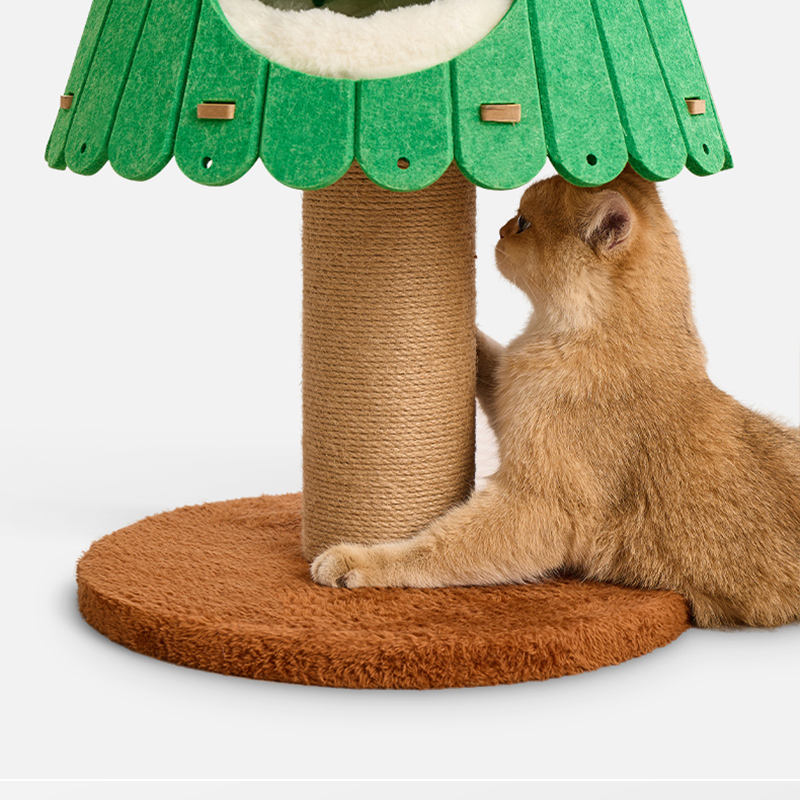
The base is the most important part that determines the stability of a cat tree. Professional pet product testing organizations point out that over 60% of cat tree accidents are caused by weak or poorly placed bases. A wide, heavy base lowers the center of gravity and greatly improves resistance to tipping when cats leap or turn quickly.
Our cat tree models are built with enlarged, weighted bases to meet strict stability requirements. During installation, make sure the base is fully assembled and placed on a flat, solid floor. For extra safety, you can add non‑slip pads under the base to improve grip and prevent sliding. These pads also protect floors from scratches. If you have large or active cats, you may increase stability by placing a light object on the bottom platform, but do not overload it. Our design and testing process includes impact and load tests simulating real‑world cat behavior, so each cat tree provides reliable support. A solid base gives cats the confidence to climb, jump, and play without fear.
Safe Placement and Environmental Setup
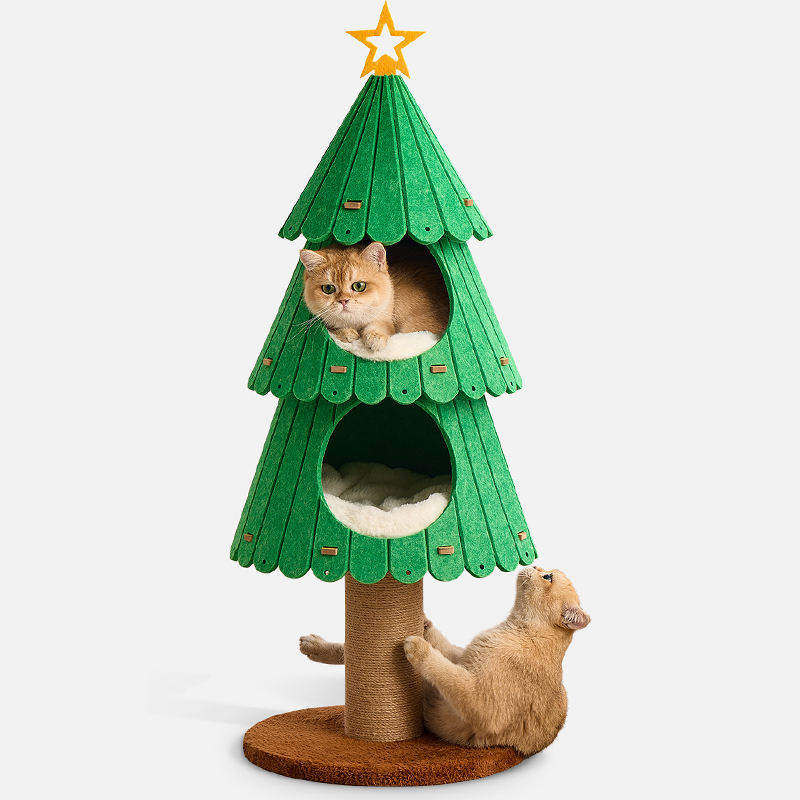
Where you place the cat tree affects not only stability but also the overall safety of your home. Pet living environment consultants suggest that the ideal location combines stability, visibility, and low distraction. Keep the cat tree away from stairs, doorways, and fragile decorations to avoid injuries or damage if a cat jumps off suddenly.
Cats love high places for observing surroundings, so placing the cat tree near a window is often a good choice, but keep it at a safe distance to prevent accidents. Make sure there is enough open space around the cat tree for safe jumping and landing. Our cat tree designs consider both vertical activity and safe landing zones, matching natural cat habits. Many customers tell us that their cats use the cat tree more often and stay happier when placed in a quiet, accessible spot. Proper placement supports both physical safety and mental well‑being, making the cat tree a beloved part of daily life.
Post‑installation Inspection and Long‑term Maintenance
After installing a cat tree, full inspection and regular maintenance are necessary to keep it safe and stable over time. Even a well‑installed cat tree can loosen from frequent jumping and scratching, so routine checks help prevent risks before they appear. Pet safety authorities recommend a complete inspection once a month and simple checks every two weeks.
Check all screws, joints, and platforms for looseness, wear, or damage. Tighten any fasteners that have become loose. Look for frayed ropes, torn fabric, or unstable platforms that could trap claws or cause falls. Our cat tree products use durable, scratch‑resistant materials and reinforced structures, but regular care still extends their lifespan. We provide clear maintenance guidelines with each product to help owners keep their cat tree in top condition. With proper installation, placement, and care, our cat tree remains a safe, stable, and enjoyable space for cats for many years.