
 EN
Choose Easy-to-Clean Materials for pet bowls as the First Line of Defense
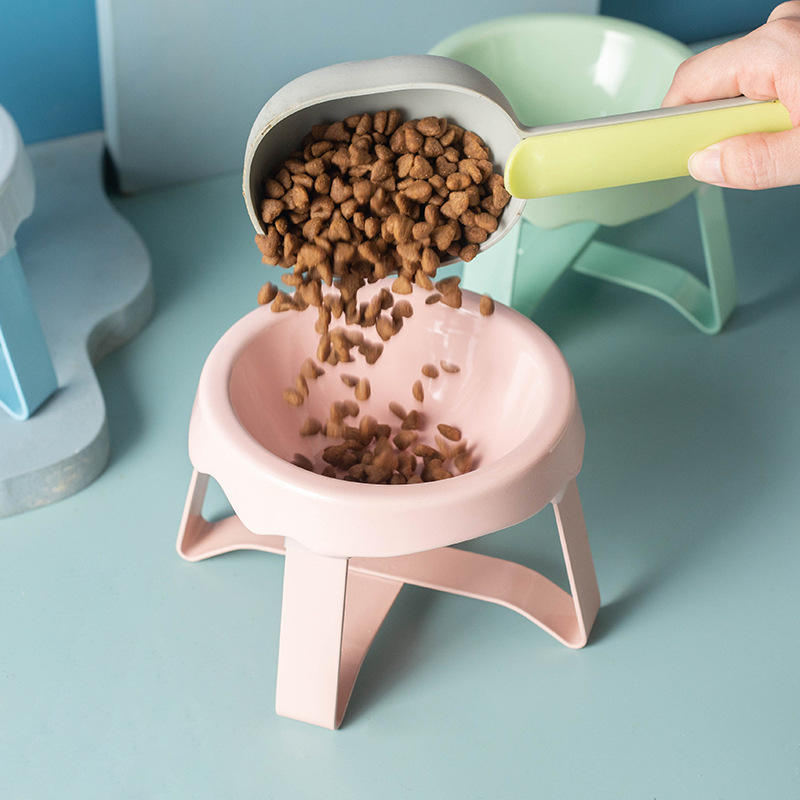
The material of pet bowls directly affects how thoroughly you can clean them and prevent bacterial growth, a lesson I learned the hard way when my puppy got an upset stomach from a dirty bowl. I used to have a cheap plastic pet bowl with rough inner surfaces—food residue got stuck in the crevices, and no matter how hard I scrubbed, I couldn’t get it all out. Within a month, my puppy started vomiting and had diarrhea, and the vet traced it back to bacteria buildup in the bowl. Then I switched to high-quality pet bowls from a professional manufacturer with 15+ years of pet supplies expertise. Their customizable pet double bowls are made of FDA-certified PP plastic and glass/ceramic inner bowls, with smooth, non-porous surfaces that don’t trap food or bacteria. Veterinary hygiene experts emphasize that porous or rough materials are bacterial hotbeds, while smooth, non-toxic materials like glass, ceramic, and food-grade PP make thorough cleaning effortless. This manufacturer’s pet bowls undergo 7-step strict pet-safety QC tests, ensuring no harmful chemicals leach out during cleaning, and their anti-knock design means they won’t crack easily, avoiding hidden bacterial spots. After switching, my puppy’s digestive issues disappeared, and cleaning the bowls takes just a minute.
Master Daily Cleaning Steps for pet bowls to Remove Residue Promptly
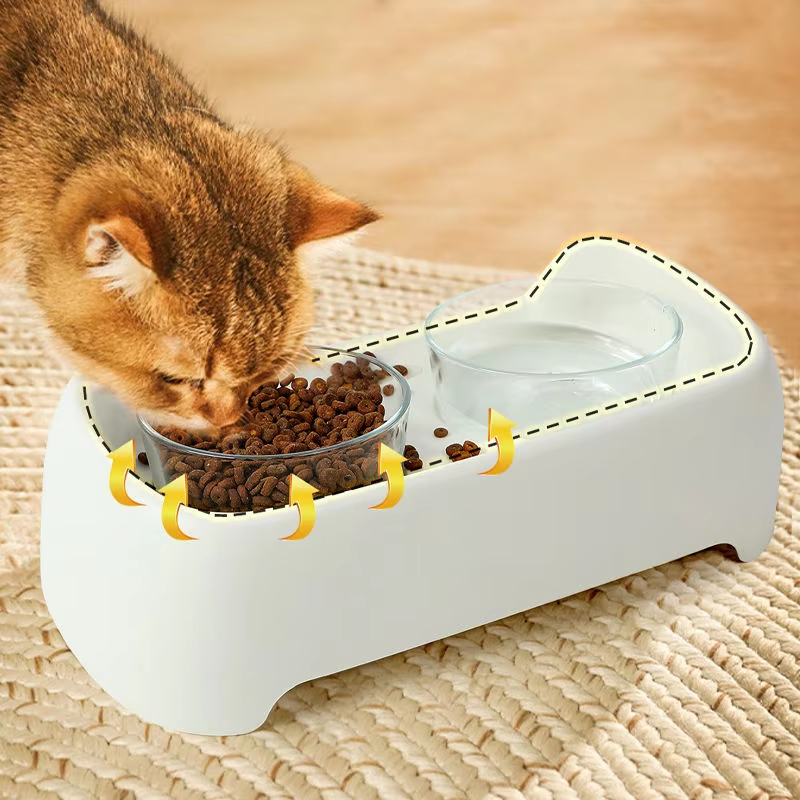
Daily cleaning is crucial to prevent bacterial growth in pet bowls, and following a simple yet thorough routine can make all the difference—something I’ve refined over years of caring for my cat and dog. After each meal, I rinse the pet bowls with warm water to remove loose food residue immediately (letting it dry on makes cleaning harder). Then I use a soft brush (never steel wool, which scratches the surface) and mild, pet-safe dish soap to scrub the bowls, paying extra attention to the bottom and edges where residue hides. Finally, I rinse thoroughly with hot water and dry with a clean towel—moisture left in the bowl encourages bacterial growth. Pet care specialists advise against using harsh detergents, as they can leave toxic residues that harm pets. What I love about these pet bowls is their detachable design: the glass or ceramic inner bowls can be taken out separately, making it easy to clean every nook and cranny without missing spots. This manufacturer’s pet bowls are also dishwasher-safe (top rack), which is a lifesaver on busy days—high-temperature dishwasher cycles kill 99% of bacteria, ensuring a thorough clean without extra effort.
Perform Regular Deep Cleaning for pet bowls to Eliminate Hidden Bacteria
Daily cleaning isn’t enough—regular deep cleaning is necessary to eliminate bacteria that build up over time, even on seemingly clean pet bowls. I do a deep clean of my pets’ bowls every weekend, and it’s made a huge difference in their health. For the glass/ceramic inner bowls, I soak them in a mixture of equal parts white vinegar and warm water for 30 minutes—vinegar is a natural disinfectant that kills bacteria without harsh chemicals. For the PP outer bowls, I use baking soda and water to make a paste, scrub gently, then rinse. I also inspect the bowls for cracks or scratches during deep cleaning—any damage means bacteria can hide, so I replace them promptly. Pet hygiene experts recommend deep cleaning pet bowls at least once a week, or more often for pets with allergies or digestive issues. This manufacturer’s pet bowls are durable and resistant to scratches, thanks to their high-quality materials and automated production process, so they stay smooth and easy to deep clean for years. I’ve been using the same set for over a year, and they still look and clean like new, with no hidden bacterial spots.
Adopt Proper Drying and Storage Methods for pet bowls to Prevent Bacterial Regrowth
Even if you clean pet bowls thoroughly, improper drying and storage can lead to bacterial regrowth, a mistake I made early on as a pet owner. I used to stack wet pet bowls in a cabinet after cleaning, and within a few days, I noticed a faint odor—bacteria were growing in the moist, dark space. Now, after cleaning and rinsing, I dry the pet bowls completely with a clean towel or let them air-dry on a dish rack in a well-ventilated area. I never stack them until they’re 100% dry, and I store them in an open cabinet or on a shelf where air can circulate. Pet product storage experts explain that moisture is bacteria’s best friend, so thorough drying and well-ventilated storage are key to keeping pet bowls clean. This manufacturer’s pet bowls have a thoughtful design with raised edges on the outer base, so they don’t sit directly on dirty surfaces when drying or storing. The detachable parts also mean I can store the inner bowls separately from the outer frame, reducing moisture buildup and ensuring each part stays clean and dry.
Choose the Right pet bowls with Removable and Replaceable Parts for Long-Term Hygiene
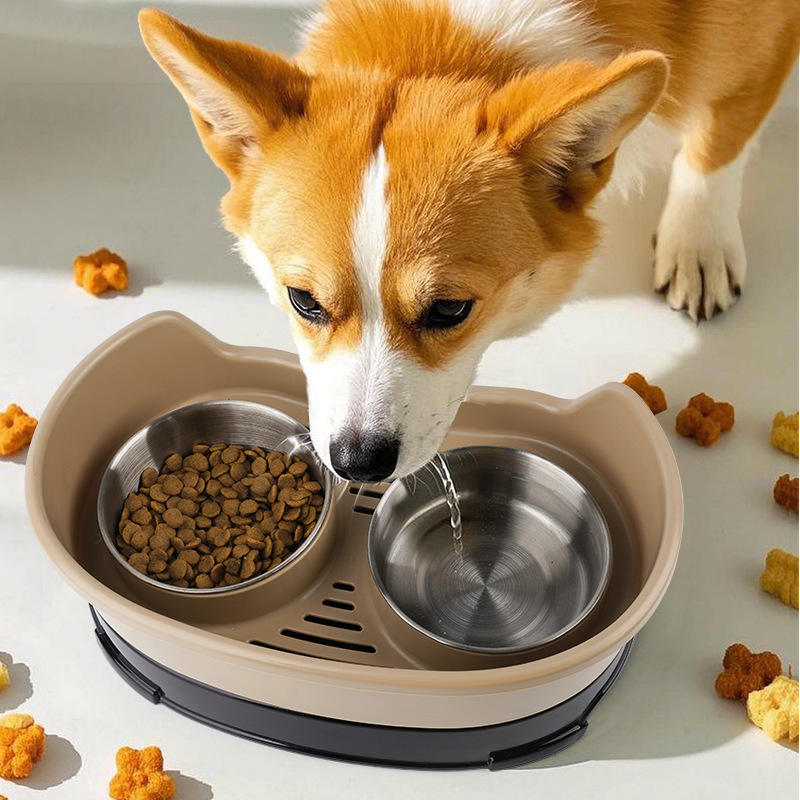
For long-term bacterial prevention, choosing pet bowls with removable and replaceable parts is a smart investment, as it allows for more thorough cleaning and easier maintenance. My old pet bowls were one-piece, so I could never clean the area where the bowl attached to the stand properly—food and water would seep in, creating a bacterial nest. But this manufacturer’s 2in1 multifunctional pet feeding and watering station has fully removable bowls and adjustable parts that can be taken apart completely. The ceramic and stainless steel bowls are easy to clean or replace if they get damaged, and the ABS plastic stand can be wiped down thoroughly without hidden spots. Pet product design experts note that removable parts make it possible to clean every component of the pet bowls, eliminating bacterial hiding places that one-piece bowls can’t avoid. This manufacturer also offers replacement bowls for their feeding stations, so I don’t have to buy a whole new set if one bowl gets cracked—saving money and ensuring long-term hygiene. With these pet bowls, I can keep my pets’ feeding area clean and bacteria-free, giving me peace of mind and keeping my furry friends healthy.